Honeylove: A Handwritten Font for Modern Web Design
I was staring at a blank hero section on my screen, trying to solve a classic web design problem. The client wanted a boutique coaching website that felt warm and personal, yet the standard sans serif headers I had tested felt too cold and corporate. I needed a typeface that could bridge the gap between professional digital product design and genuine human connection. That is when I decided to test Honeylove.
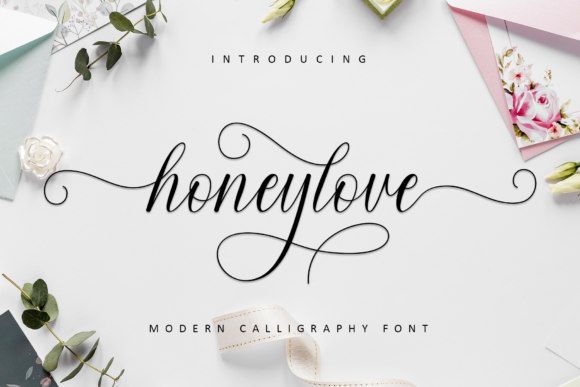
As a UI designer, I often find myself hunting through repositories of Script Amp fonts looking for something that doesn't look like every other decorative font on the market. Many handwritten styles suffer from being either too messy to read or too rigid to feel authentic. When I loaded Honeylove into my browser preview, the difference was immediate. It is a delicate and stylish handwritten font that brings a gentle mood to the interface without sacrificing clarity.
First Impressions in the Hero Section
The first thing I did was place Honeylove over a soft, neutral background image in the hero area. My initial concern with any script font is legibility against complex backgrounds. However, the stroke weight and spacing in Honeylove are perfectly balanced. The characters flow naturally, mimicking the rhythm of actual handwriting, but they remain distinct enough to be scanned quickly by a user arriving on the landing page.
In this specific project, I used the font for the main headline: "Transform Your Daily Routine." The visual hierarchy instantly shifted. The headline didn't just sit there; it invited the user in. Unlike a bold display font that can sometimes feel aggressive, Honeylove feels like an invitation. This subtle shift in tone is crucial for building brand trust, especially in industries like wellness, coaching, or creative services where the human element is the product.
Navigating the Technical Details: PUA Encoding
One of the most impressive features I discovered while testing was the technical implementation. Honeylove is PUA encoded, which stands for Private Use Area. For a digital creator, this is a game-changer. Usually, accessing special glyphs, swashes, or alternate characters requires complex OpenType feature toggles or specific software setups that can break across different browsers.
With Honeylove, accessing all the glyphs and swashes is seamless. I was able to easily swap out standard letters for more decorative versions directly within my design workflow. This flexibility allowed me to add unique flourishes to the logo text and key call-to-action areas without worrying about rendering issues. It means the font behaves predictably across different devices, ensuring that the polished online brand experience remains consistent whether the user is on a desktop or a mobile device.
Optimizing Readability and Visual Hierarchy
While Honeylove is stunning as a display font, readability remains the top priority in UX design. I found that this font excels when used for short phrases, headlines, and section dividers. I avoided using it for long paragraphs of body copy, as is best practice with any script typeface. Instead, I paired it with a clean, simple sans serif font for the main content.
This combination created a strong visual contrast. The Honeylove headings grabbed attention and established the emotional tone, while the sans serif body text ensured that users could consume information efficiently. On mobile screens, where space is limited, I adjusted the line height and letter spacing slightly to ensure the delicate strokes didn't get lost. The result was a responsive layout that maintained its elegance even on smaller viewports.
Practical Applications Across Digital Platforms
Beyond the coaching site, I started envisioning how Honeylove could elevate other digital projects. Its versatility makes it suitable for a wide range of applications:
- Portfolio Homepages: Using the font for the name introduction creates an instant signature feel, making the portfolio stand out as a personal brand asset.
- Product Landing Pages: For boutique online stores selling handmade goods or artisanal products, this font adds a layer of craftsmanship to the digital storefront.
- Course Sales Pages: In the education sector, a friendly handwritten style can make complex topics feel more approachable and less intimidating.
- Social Media Graphics: The font translates beautifully to Instagram stories and promotional banners, maintaining consistency with the website's identity.
- Digital Brand Kits: Including Honeylove in a brand kit ensures that all communications, from email newsletters to campaign pages, share a unified voice.
Strategic Font Pairing for Web Projects
Choosing the right companion typeface is essential when working with a decorative script like Honeylove. Since the font has so much personality, the supporting typography needs to step back and let it shine. I recommend pairing it with a geometric sans serif for a modern, tech-forward look, or a traditional serif font if you are aiming for an editorial, magazine-style aesthetic.
For example, in a recent blog redesign, I paired Honeylove with a high-contrast serif for the subheadings. This created a sophisticated, almost literary feel that elevated the perceived value of the content. The key is to maintain a clear distinction between the decorative elements and the functional text. This separation guides the user's eye through the page, improving scanning behavior and overall engagement.
Licensing and Implementation Considerations
Before integrating any premium font into a live project, it is vital to check the commercial font licensing. Whether you are building a client website, an online store, or a SaaS platform, you need to ensure you have the rights to use the typeface commercially. Honeylove offers flexible licensing options that cover webfont availability and various file formats, making it safe for deployment across multiple platforms.
I also checked the multilingual support to ensure it met the needs of global audiences. While many script fonts are limited to basic Latin characters, Honeylove provides a robust set of glyphs that support a wide range of design requirements. Always verify the included styles and weights before finalizing your design assets to avoid last-minute changes that could delay your launch.
Building a Polished Online Experience
Ultimately, the goal of web design is to create an experience that resonates with the user. Honeylove achieves this by adding a touch of humanity to the digital landscape. It transforms a static webpage into a dynamic, engaging environment. By carefully placing it in headers, buttons, and decorative accents, designers can craft a narrative that feels both professional and deeply personal.
As I finalized the coaching website, I realized that the choice of font was not just an aesthetic decision; it was a strategic one. Honeylove helped define the brand's voice, improved the visual hierarchy, and contributed to a cohesive brand identity. For any web designer, UI designer, or digital product creator looking to add warmth and sophistication to their next project, this font is a powerful tool worth exploring.